When a Judge Moves On: A Lesson From Judge Maria Hernandez’s Courtroom
Estimated Read Time: 4 Minutes
Reviewed by Attorney Nate Gjesdal
September 19, 2026
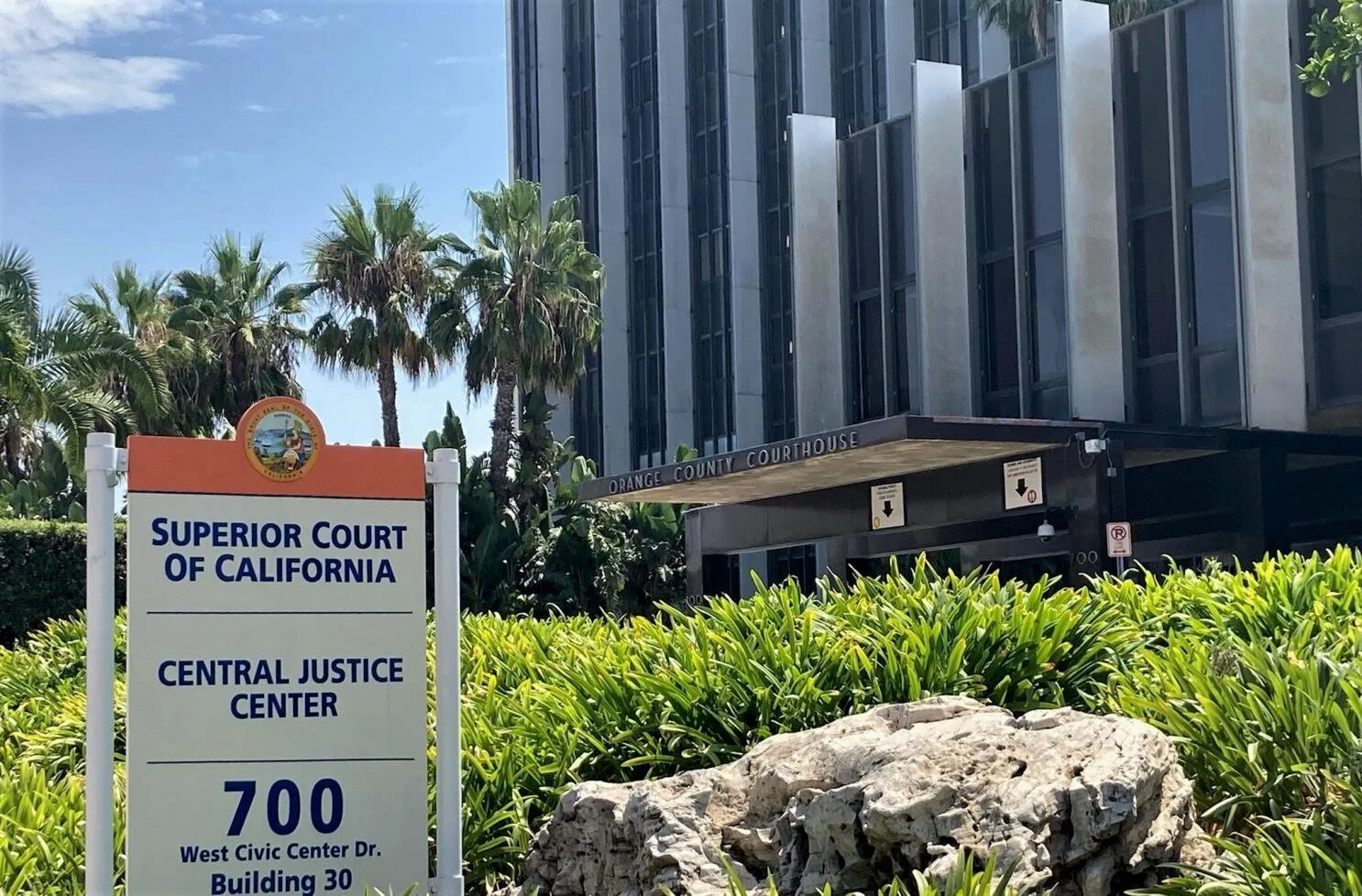
This week, Governor Gavin Newsom announced that Orange County Superior Court Judge Maria D. Hernandez has been nominated to serve as an Associate Justice on the Fourth District Court of Appeal, Division Three.
For those of us who practice criminal defense in Orange County, it’s big news.
Judge Hernandez has been on the Orange County Superior Court bench since 2009 and previously spent more than a decade as a Senior Deputy Public Defender. She has also served as Presiding Judge of the Orange County Superior Court. In my experience, she is well-liked among the defense bar for something that matters tremendously when you represent people accused of crimes: she is fair, thoughtful, and kind.
While I’m happy to see her receive this recognition, there are also plenty of lawyers wondering the same thing: If she is confirmed, who is going to replace her?
The timing of the announcement also gave me a reminder of an important lesson I’ve learned practicing criminal defense.
The Day Before the Announcement
I currently represent a client with a case in Judge Hernandez’s courtroom.
We had worked out an offer that Judge Hernandez approved.
The very next day, I learned she had been nominated to the Court of Appeal.
The timing was remarkable, but it also wasn't the first time I've seen something like this happen. You develop a great working relationship with a judge, get familiar with the way that courtroom operates and then—poof—the judge gets reassigned, retires, or, in this case, gets nominated to a higher court.
It’s also a good reminder of why criminal defense attorneys need to think ahead and protect their clients when a case isn't resolving that day.
If You Have an Agreement, Document It
Criminal cases don't always resolve the day an agreement is reached.
Sometimes a client needs to complete a class or other mitigation. Sometimes the client needs time to discuss an offer with family. When that happens, I want the important terms of the resolution appropriately documented or placed on the record.
Why? Because the people in the courtroom can change. The judge may be reassigned. A different prosecutor may appear at the next hearing. Your attorney may have another lawyer covering an appearance. And, occasionally, your judge may unexpectedly be nominated to the Court of Appeal.
I've seen and experienced what can happen when an agreement isn't adequately documented.
Years ago, I appeared in court for a junior attorney who had previously negotiated a resolution with the District Attorney's Office. When I appeared on the case, I reviewed what our attorney understood the plea agreement to be.
There was one issue. The prosecutor appearing that day had a completely different understanding of the agreement. There wasn't sufficient documentation of what had previously been worked out. Instead of being able to point everyone to a clear record, we were left trying to reconstruct what two other lawyers had discussed.
That's an avoidable problem.
Protecting the Client When the Courtroom Changes
Putting an agreement in writing or making an appropriate record doesn't mean that every discussion or offer automatically becomes permanently binding. Every case is different.
But when a meaningful resolution has been reached and a case is being continued before it becomes final, a good criminal defense attorney should be thinking ahead:
What happens if I'm not standing in front of the same judge or prosecutor next time?
For me, that's part of protecting the client.
A client shouldn't be placed in a worse position simply because the cast of characters in the courtroom changed between hearings.
Congratulations to Judge Hernandez
Judge Hernandez's nomination is not yet final; appointments to the Court of Appeal require confirmation by the Commission on Judicial Appointments. If confirmed, she will join the Fourth District Court of Appeal, Division Three, which is based in Santa Ana and hears appeals from Orange County.
I know many attorneys in the Orange County defense community are genuinely happy to see Judge Hernandez receive this recognition. She has earned a reputation for treating the people who come before her with fairness and humanity, and those qualities matter.
If she is confirmed, it will certainly be a change for those of us who regularly appear in her courtroom and, naturally, there is already plenty of curiosity about who will take her place.
Congratulations to Judge Hernandez on a well-deserved nomination. I wish her the very best as the confirmation process moves forward.
Nathan Gjesdal is the founder of Not Guilty Law, an Orange County criminal defense firm representing clients facing misdemeanor and felony charges throughout Southern California.
Ask Us a Question
Have a question about your specific circumstances? Ask below and we will respond to you within 48 hours.