Can Police Search Your Phone After a Public Indecency Arrest in California?
Estimated Read Time: 3 Minutes
Reviewed by Attorney Nate Gjesdal
May 19, 2026
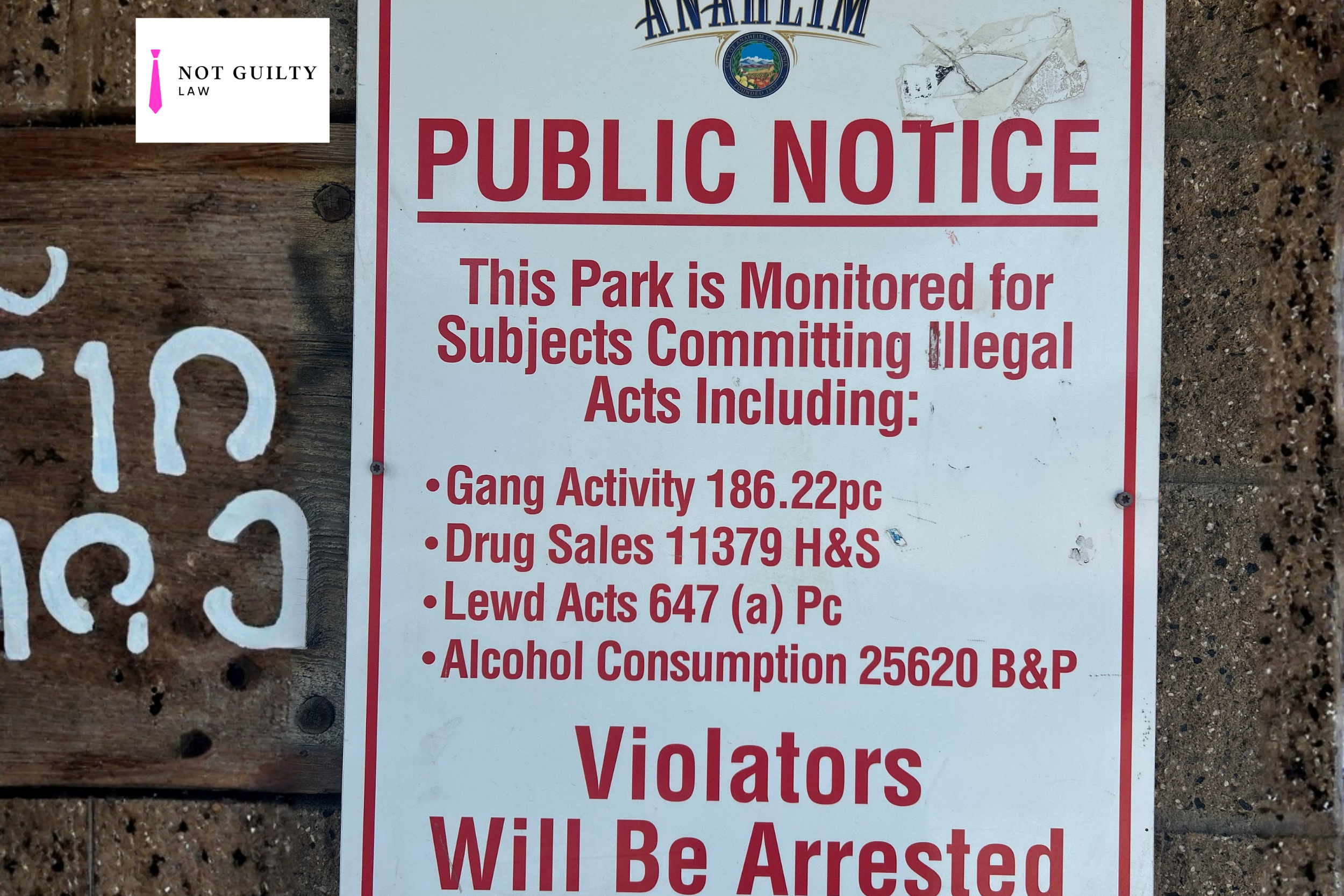
Someone believes they’re in a private or secluded area, makes a split-second decision, and suddenly law enforcement is involved. In some cases, officers may even take a person’s phone as part of the investigation. In California, the crime of Lewd Conduct In Public occurs whenever anyone behaves lewdly or solicits lewd behavior in a public place. This could be at a public park, public construction site, etc.
One of the first questions we hear is: “Can police go through everything on my phone?”
When Can Police Take Your Phone?
If officers believe your phone may contain evidence related to a crime, they can seize it. This often happens during or after an arrest.
However, taking a phone and searching it are two different things.
Do Police Need a Warrant to Search Your Phone?
In most cases, yes.
Law enforcement typically needs a warrant to search the contents of your phone, including photos, videos, and messages. A judge must approve what they’re allowed to look for and how far back they can go.
That scope matters. If a search goes beyond what was authorized, it may be challenged.
What If There Are Other Videos or Incidents?
This is where many people become anxious.
If a valid warrant is issued, officers may look for evidence tied to the investigation. Depending on what is found, that can sometimes lead to additional charges.
But every situation is fact-specific. What’s actually usable, and what crosses legal lines, is not always as straightforward as it seems.
Does Recording Yourself Make the Situation More Serious?
It can.
Recording conduct tied to an investigation may affect how a case is evaluated and what evidence is presented. But again, context matters such as how the evidence was obtained, what it shows, and whether it’s legally admissible.
What Should You Do If Police Take Your Phone?
If this happens, it’s important to stay calm and avoid making the situation more complicated. Early decisions can have a real impact on how a case unfolds.
A few general principles:
You do not have to consent to a search
Avoid trying to explain everything in the moment
Speak with an attorney before taking further steps
A Final Thought
Situations like this are often more nuanced than they first appear. People make assumptions about privacy, intent, or what law enforcement can access and those assumptions don’t always hold up. Understanding your rights early on and retaining a lawyer to help you navigate the system can make a meaningful difference.
Ask Us a Question
Have a question about your specific circumstances? Ask below and we will respond to you within 48 hours.